Measurement is useful when response is defined
Refrigeration Controls and Remote Monitoring
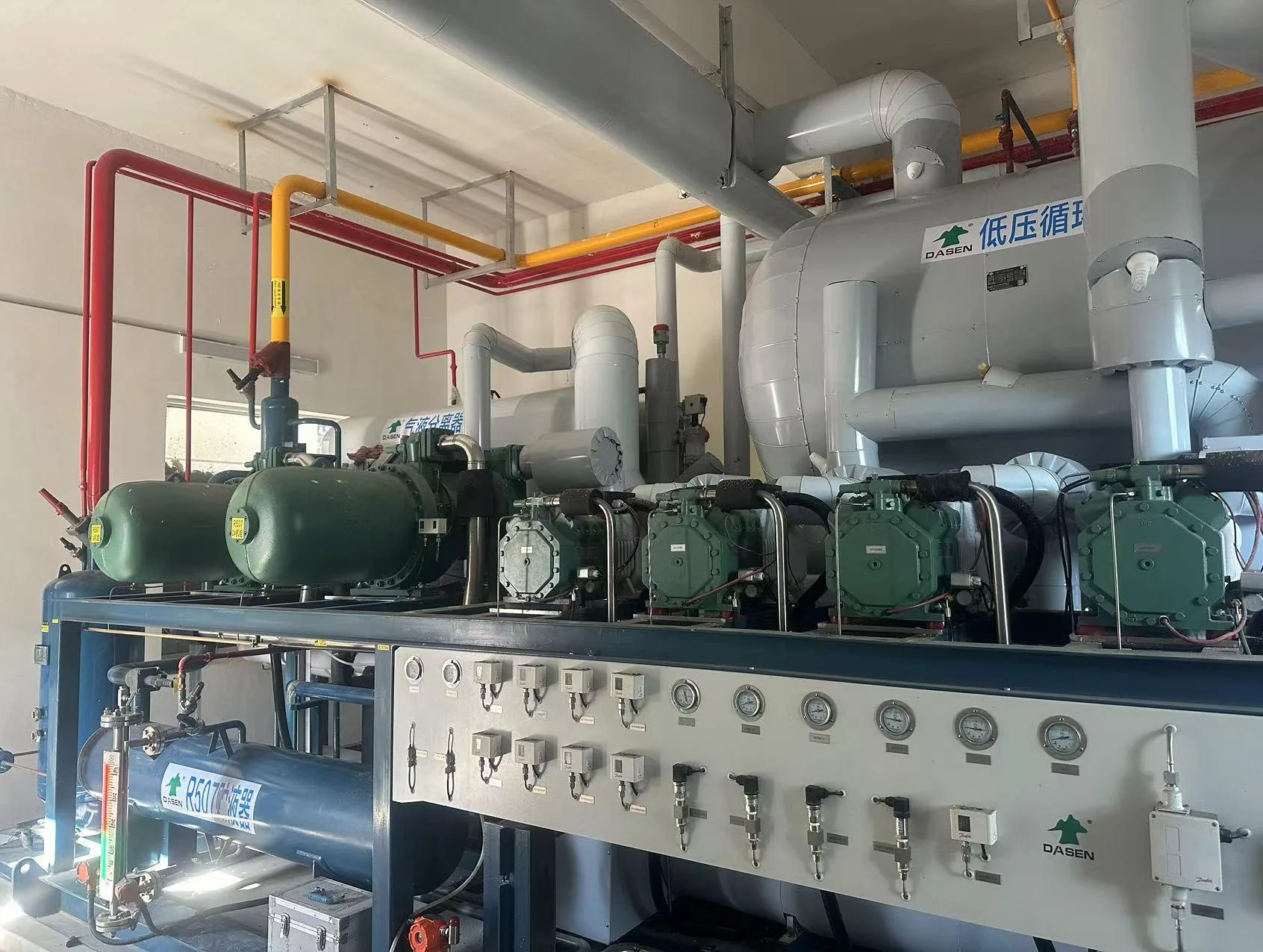
Controls and monitoring should be designed around the measurements, alarms, user roles and response workflow the operating team actually needs—not an unqualified promise of remote service.
- Points
- Measurements and alarms
- Roles
- Access and ownership
- Workflow
- Defined response
01
Start with operating questions
A control design should answer what needs to be measured, who needs to see it, what condition should trigger an alarm, how an alert reaches the responsible person and what action is expected. Pressures, temperatures, levels, equipment states, room conditions, door status and energy measurements may be relevant depending on the system and operating model.
The right list is project-specific. Adding more data points does not automatically improve operation if alarm priorities, access rights, maintenance and response procedures are unclear.
02
Remote access has conditions
Remote monitoring may depend on network availability, cybersecurity controls, site permissions, data ownership, user roles, compatible devices and the actual support scope. It should be described as a reviewed capability, not as a universal 24/7 global-response guarantee.
For a retrofit, the existing controls, wiring, sensors, records and operating procedures need to be surveyed before integration options are defined.
03
Use data to support decisions
Trends can help teams compare operation against a baseline, investigate defrosting, door activity or heat-rejection issues and identify where a site survey is needed. Any energy or reliability conclusion must use actual measured inputs and a stated comparison basis.
| Parameter | Why it matters | Information required |
|---|---|---|
| Measurements | Defines visibility of room and system condition | Critical points by room and equipment |
| Alarms | Defines response priorities | Limits, recipients and escalation workflow |
| Network | Enables data access where permitted | Site connectivity and security requirements |
| Access | Protects operating controls | User roles and permissions |
| Service | Sets response responsibility | Actual support scope and local interfaces |
Questions to discuss
Frequently asked questions
Does monitoring mean someone is always watching the system?
No. Any monitoring, alarm response or remote support arrangement must identify the actual service scope, connectivity and responsible people.
Can controls lower energy use automatically?
Controls can support better operation when the underlying conditions, settings and response process are understood. No generic saving percentage is claimed.
A clear next step
Tell us what you need to store, cool or freeze.
Use the Project Brief Builder to capture the available product, condition, room, throughput and scope information.